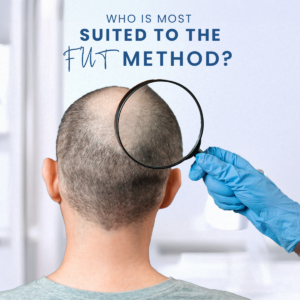
Who is most suited to FUT Method?

FUT (Follicular Unit Transplantation) is ideal for patients with more advanced hair loss, limited donor areas or those wanting maximum grafts in one session.This surgical method involves removing a strip of scalp from the donor area, from which individual follicular units are harvested and implanted into thinning or balding spots. MedHair is proud to be the only hair restoration clinic to offer both FUT and FUE hair transplant methods in South Africa. Book a consultation to find the right fit for you.

FAQs: How do I know if I’m losing too much hair?

Worried you might be losing too much hair? Shedding 50–100 strands daily is normal—but excessive hair fall, visible patches or thinning may point to a deeper issue. A professional consultation can help you understand the cause. For brunettes seeking immediate coverage, try our Hair Building Fibres; designed to conceal sparse areas in seconds. If you’re looking for a more permanent solution, request a consult via DM or visit our website for more information on surgical and non-surgical treatments.

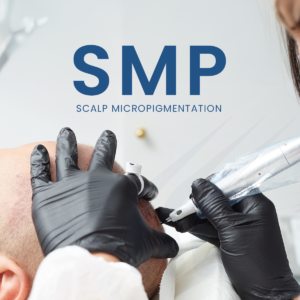
SMP

Scalp Micropigmentation (SMP) is a non-surgical treatment that uses micro-needles to apply specialised pigment to the scalp 🎯 Similar to microblading, SMP mimics the look of natural hair follicles — creating the illusion of denser hair on your skin. Results are immediate, long-lasting and low maintenance. Whether you’re looking to enhance hair density or simply achieve a closely shaved look, SMP is a viable solution. Book a consultation today.

Afro-Textured Hair Transplants

Not all hair restoration clinics understand the unique characteristics of Afro-textured hair—but we do. Our specialists are highly experienced in performing FUE Hair Transplants for all hair types, ensuring precise extraction and natural results. Trust MedHair for expertise that’s rare to find. Book a consultation to explore your options.

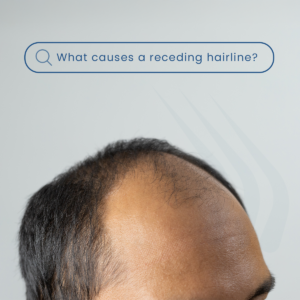
FAQs: What causes hair loss?

It’s a common question, but there’s no single, simple answer. Hair loss can be influenced by a number of factors👇🏾

⭐ Hormonal changes – Ageing, medical conditions, and imbalances can impact hair growth.

⭐ Genetics – Your family history plays a major role in determining hair loss patterns.

⭐ Nutritional deficiencies – A lack of iron, biotin, zinc, vitamin D, and protein can weaken hair and slow growth.

Are you considering a hair restoration strategy? Let’s find the right solution for you. Book a consultation today.

Whackhead Simpson spotlight

Thanks Darren! 🎙️✨If you’d like to book a consultation for Medical Hair Restoration, please send us a DM or visit our website for more

SMP (scalp micropigmentation)

Introducing Scalp Micropigmentation (SMP) at Medical Hair Restoration—a highly innovative, non-surgical solution for hair loss ✨ SMP uses micro-needles to apply pigment to the scalp, creating the illusion of natural hair follicles. Ideal for both men and women, this technique offers a realistic, low-maintenance option to restore the appearance of hair density. Book a consultation for SMP via DM, or visit our website for more non-surgical treatment options

Hypotrichosis Simplex

Hypotrichosis

Hair Loss in Children: The New Discovery
Hair loss is a condition that concerns many. When it occurs to the children, it is more than a matter of appearance that deeply affects the child’s self-confidence. The latest discovery about the gene responsible for Hypotrichosis Simplex, a rather rare condition, may further contribute to the development of new therapeutic approaches for hair loss disorders of diverse aetiology.

The Breaking Discovery
Researchers from all over the world, including experts from the University of Bonn, have found a special receptor that helps hair to grow. This discovery might give birth to new ways of curing hair loss. Hypotrichosis Simplex is an extremely rare condition, but Dr. Regina Betz from the Bonn Institute of Human Genetics appreciates the importance of this research just great. She says, “Understanding how hair grows could help us find new treatments for many kinds of hair loss.”

What is Hypotrichosis Simplex?
Hypotrichosis Simplex is an extremely rare condition responsible for the loss of hair among both boys and girls. It affects around 1 in every 200,000 people. During this disorder, children begin to develop hair loss from the scalp within their first 10 years. Before reaching the age of 30, most of them become completely bald. A few of them retain thin, short hairs. In some cases, they even lose the hair on the body, but their beard, eyebrows, and armpit hair grow as usual.

Why Does It Happen?
This is because of a problem within the genes that determine hair growth. The genes produce something that is referred to as receptors on hair follicles. These receptors are very important and play an enormous role in hair growth. Hair does not grow properly if these receptors are defective. How these receptors operate might give scientists alternate means of treatment involving hair loss.

Current and Future Treatments
Still, there is no cure for Hypotrichosis Simplex. On the other hand, some treatments can strengthen the existing hair and make them thicker. Leonora Doclis, a hair expert at the Belgravia Centre, has explained, “Right now, we can’t add new hair follicles, but we can help make the hair you already have stronger.”

Treatments for Hypotrichosis Simplex are still an ordeal, and research is still ongoing with its promises. The genetic explanation of this disorder brought joy not only to the concerned people but possibly also to other causes of hair loss.


Eyebrow Hair Transplant

Everything You Need to Know About Eyebrow Transplant
Eyebrow transplant have become a popular solution for individuals looking to enhance their eyebrows. Whether due to over-plucking, genetics, or medical conditions, sparse or thin eyebrows can impact your confidence. This comprehensive guide will walk you through everything you need to know about eyebrow implants, from the procedure itself to aftercare and results.

What Is An Eyebrow Transplant?
Eyebrow implants are a cosmetic procedure where hair follicles are transplanted into the eyebrow area to create fuller, natural-looking eyebrows. Unlike eyebrow tattoos or microblading, eyebrow implants use your own hair, making them a more permanent solution.

The Eyebrow Transplant
Consultation
The journey to fuller eyebrows begins with a consultation with a certified specialist like the surgeons at Medical Hair Restoration. During this meeting, you’ll discuss your desired eyebrow shape, thickness, and overall goals. The specialist will also assess your hair type and donor area, typically the back of the scalp, to ensure suitability for the procedure.

Preparation
On the day of the procedure, the donor area is prepared by trimming the hair short unless your doctor chooses to perform an FUT. Local anaesthesia is applied to both the donor and recipient areas to minimize discomfort.

Extraction and Implantation
Using a technique called follicular unit extraction (FUE), individual hair follicles are carefully extracted from the donor area. These follicles are then implanted into tiny incisions made in the eyebrow area. The process can take several hours, depending on the number of follicles being transplanted. FUT is also an option.

Recovery
Post-procedure, you might experience mild swelling and redness around the eyebrows and donor area. These symptoms typically subside within a few days. Your specialist will provide aftercare instructions, including how to clean the area and avoid activities that might disrupt the healing process.

Benefits of Eyebrow Transplants
Natural Appearance
Because eyebrow implants use your own hair, the results look incredibly natural. The transplanted hair grows just like your natural eyebrow hair, allowing for regular trimming and shaping.

Permanent Solution
Unlike temporary solutions such as makeup or microblading, eyebrow implants offer a permanent fix. Once the hair follicles are transplanted, they continue to grow for a lifetime.

Boost in Confidence
Full, well-shaped eyebrows can significantly enhance your facial features, leading to a boost in self-confidence and overall satisfaction with your appearance.

Who Is a Good Candidate for Eyebrow Transplants?
Eyebrow implants are ideal for individuals who have:

  • Thin or sparse eyebrows due to over-plucking, genetics, or aging.
  • Scars or trauma that have affected eyebrow growth.
  • Medical conditions such as alopecia that cause hair loss.

It’s essential to have healthy hair follicles in the donor area and realistic expectations about the outcome.

Cost of Eyebrow Transplant
The cost of eyebrow implants can vary widely based on factors such as the clinic’s location, the specialist’s experience, and the number of grafts required. On average, you can expect to pay between R12 000 and R15 000. While this may seem expensive, many find the long-term benefits and confidence boost well worth the investment.

Choosing the Right Specialist
Selecting a qualified and experienced specialist is crucial for achieving the best results. Look for someone with a proven track record in performing eyebrow implants. Read reviews, ask to see before-and-after photos, and ensure you feel comfortable and confident with your chosen professional.

Aftercare Tips
Proper aftercare is vital to ensure the success of your eyebrow implants. Here are some tips:

  • Follow Cleaning Instructions: Keep the area clean as per your specialist’s guidelines.
  • Avoid Touching: Refrain from touching or scratching your new eyebrows to prevent infection.
  • Skip Strenuous Activities: Avoid heavy exercise or activities that might cause sweating for at least a week.
  • Protect from Sun Exposure: Shield your eyebrows from direct sunlight to prevent irritation and pigmentation issues.

Results and Expectations
You’ll start to see new hair growth within a few months, with full results typically visible after a year. The implanted hairs will grow naturally, allowing you to shape and style your eyebrows as desired. Regular trimming might be necessary, as the transplanted hair retains its original growth characteristics.

Eyebrow implants offer a permanent and natural-looking solution for those seeking fuller eyebrows. With proper care and the right specialist, you can achieve the eyebrows of your dreams, enhancing your facial features and boosting your confidence. If you’re considering eyebrow implants, consult with a certified professional to discuss your options and embark on your journey to beautiful, full eyebrows.

Understanding Alopecia Areata and treatment options

Understanding Alopecia Areata and Treatment Options

Alopecia Areata, a condition causing unpredictable hair loss, affects millions of people worldwide. This autoimmune disorder can be emotionally distressing, impacting self-esteem and quality of life. While there is currently no definitive cure for Alopecia Areata, several treatment options, including Minox(idil), PRP therapy, and Inhibitors offer hope and potential relief for individuals grappling with this condition.

Understanding Alopecia Areata
Alopecia Areata manifests as patchy hair loss, often appearing suddenly and without warning. It occurs when the immune system mistakenly attacks hair follicles, disrupting the normal hair growth cycle. The exact cause of this autoimmune reaction remains unclear, though genetic predisposition and environmental factors likely play significant roles.

Treatment Options for Alopecia Areata

Minox(idil)
Minox(idil), a vasodilating medication originally developed to treat hypertension, has become a widely used treatment for hair loss, including Alopecia Areata. While its precise mechanism of action remains unclear, Minox(idil) is believed to prolong the growth phase of hair follicles, stimulating hair regrowth in affected areas. Applied directly to the scalp or taken orally, Minox(idil) is available on prescription in various strengths. Though it may not work for everyone and results can vary, many individuals have reported noticeable improvements in hair density and coverage with regular use.

PRP Therapy
PRP therapy harnesses the regenerative properties of platelets found in the patient’s blood. During a PRP procedure, blood is drawn from the patient, processed and injected into the scalp at the site of hair loss.

PRP therapy is believed to stimulate hair follicles, promoting growth and improving hair density. While research on its effectiveness in Alopecia Areata is ongoing, many individuals have reported positive outcomes, including reduced hair shedding and enhanced regrowth.

Inhibitors
Inhibitors represent a promising avenue in Alopecia Areata treatment. These drugs work by inhibiting the activity of specific enzymes involved in immune response pathways. By suppressing immune system activity, Inhibitors help prevent further damage to hair follicles, allowing for hair regrowth. Clinical trials have demonstrated varying degrees of success, with some patients experiencing significant regrowth of hair. However, further research is needed to determine long-term safety and effectiveness.

Living with Alopecia Areata can present significant challenges, both physical and emotional. While there is no one-size-fits-all solution, advances in medical research and treatment options offer hope for those affected by this condition.

Minox(idil), PRP therapy, and Inhibitors represent just a few of the many approaches available to manage Alopecia Areata and stimulate hair regrowth. It is essential for individuals experiencing hair loss to consult with a healthcare professional to determine the most appropriate course of action based on their unique needs and medical history.

While a definitive cure for Alopecia Areata remains elusive, ongoing research and advancements in treatment modalities continue to pave the way for improved outcomes and better quality of life for individuals affected by this condition. With continued efforts, we move closer to a future where Alopecia Areata no longer poses a barrier to confidence, self-expression, and well-being.