What is androgenetic alopecia?

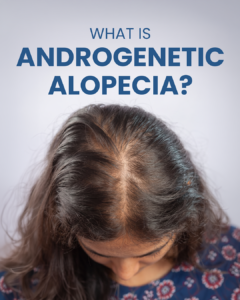
Androgenetic alopecia is the most common form of hereditary hair loss, affecting both men and women 🧬 It occurs when hair follicles become increasingly sensitive to androgens, causing them to gradually shrink and produce finer, shorter hairs. In men, this often appears as a receding hairline or thinning at the crown, while women commonly experience diffuse thinning across the scalp. Because the process is progressive, recognising the early signs matters. Early assessment and treatment can help protect existing follicles before more advanced hair loss occurs 🩺 If you are noticing changes in your hair density, book a consultation to understand the cause and explore your treatment options on our website here.

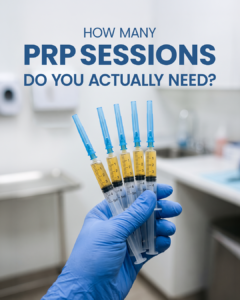
How many PRP sessions do you actually need?

Originally made famous for its strong results in facial rejuvenation, PRP therapy can be equally effective for hair growth 🌱 During this treatment, a doctor will draw roughly 100mls of blood, right here in our clinic. Your blood is then processed or spun to separate your platelet-rich plasma, which is carefully injected into the scalp. At MedHair, we combine PRP therapy with microneedling to stimulate and revive your hair follicles. We recommend three sessions for best results, and ask patients to bring along a cap on treatment day. Learn more about our packages via our website here

Does wearing a cap cause hair loss?

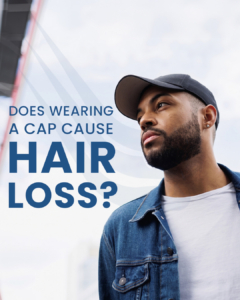
Does wearing a cap cause hair loss? 🧢 This is actually a myth. While tight headwear can cause tension on the hair or follicle stress, it is unlikely to be the reason your hair is thinning. If you are experiencing hair loss and wish to book a consultation with us our website here 

Before & After

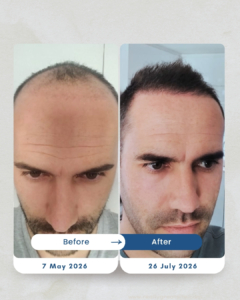
A big thank you to Werne, for sharing these photos of the early stages of his transplant recovery 🌱 While results are already strong, we expect significant growth in the coming months, as these transplanted follicles continue to mature.

FAQ – How much time do I need off work after a transplant?

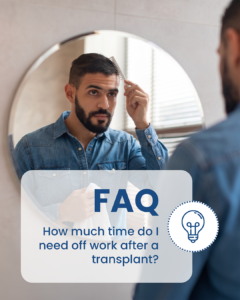
We recommend patients take 3 to 7 days leave following a hair transplant. In the first few days, mild redness, swelling and small scabs may develop in both the donor and recipient areas as part of the normal healing process. Patients with non-physical or remote work may return sooner, while those in customer-facing or physically demanding roles may require more time. At Medhair, your doctor will provide personalised aftercare instructions and prescribed medication to promote proper healing. This ensures a safe return to work without compromising graft survival or recovery outcomes 🌿 If you would like to book a consultation or learn more about our approach, please visit our website.

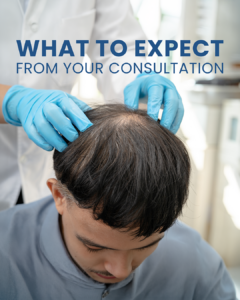
What to expect from your consultation

Your consultation at MedHair is a structured, medically guided assessment designed to uncover the cause and pattern of your hair loss. Our doctors then create a personalised treatment plan tailored to your medical history, genetics and lifestyle. This may include lifestyle adjustments, medication, non-surgical treatments, a surgical hair transplant – or a considered combination. What sets MedHair apart is that every consultation is led by an experienced surgeon, ensuring expert insight from the outset. To book a consultation with our team, please visit our website here.

what causes hair loss

Hair loss can begin for many reasons, and understanding the cause is key to guiding the right care 🌿 Genetics and family history are major factors in pattern hair loss for both men and women. Hormonal changes, stress, nutritional deficiencies, certain medications and scalp inflammation can also disrupt the normal growth cycle. Book a consultation today or visit our website to learn more about surgical, non-surgical and medicinal treatment options. 

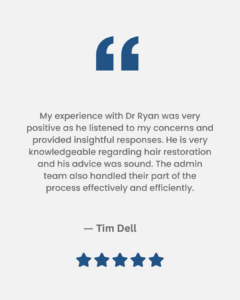
Review

Thank you for sharing, Tim! 🌟To book a consultation with one of our experienced doctors, please make contact via our website.

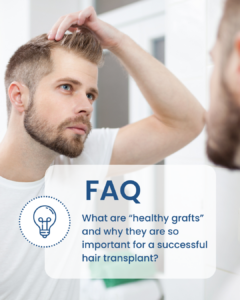
What are “healthy grafts” and why are they so important for a successful hair transplant

In a hair transplant, a graft is a small piece of tissue taken from the donor area (usually the back or sides of the scalp) that contains hair follicles. A “healthy graft” means that this follicular unit is:

✅Intact — not damaged during extraction

✅Well-hydrated — kept in optimal conditions outside the body

✅Containing viable follicles — capable of producing new hair

✅Minimally traumatised — handled gently throughout the process

Only living, undamaged follicles will grow new hair. If grafts are compromised, they simply won’t produce hair, no matter how well they’re placed. Considering surgical hair restoration? Book a consultation with one of our experienced doctors today.