Review

Thank you, Bruce! 🌟 Whether surgical or non-surgical, we’re dedicated to helping our patients regain confidence with expert care.

Thank you, Bruce! 🌟 Whether surgical or non-surgical, we’re dedicated to helping our patients regain confidence with expert care.
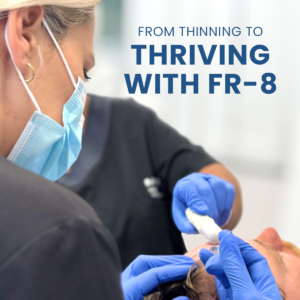
From thinning to thriving—naturally! 🌿✨ Follicular Regenerate FR-8 is a non-surgical treatment package that combines PRP therapy, microneedling, and PDO threading to restore hair health at the root. Using advanced growth factors and peptides, FR-8 stimulates dormant follicles while improving hair thickness and scalp vitality. Ideal for both men and women, this 1.5-hour treatment will help you regain confidence with zero disruption to your life. Bookings can be requested via our website.
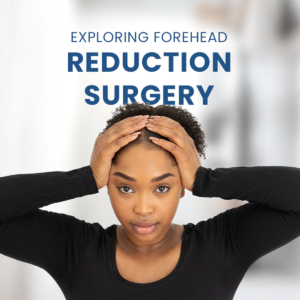
Considering forehead reduction surgery to achieve facial harmony? 👩⚕️At Medical Hair Restoration, our expert surgeons specialise in hairline-lowering procedures that can reduce a forehead by 2-3 centimetres. This 1.5-hour surgery offers immediate, permanent results with minimal discomfort. Most patients return to work within a week and can style their hair freely within a fortnight. Book a consultation via DM or visit our website for more.
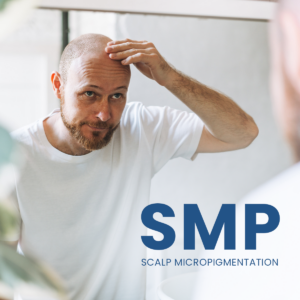
Introducing Scalp Micropigmentation (SMP) at Medical Hair Restoration—a highly innovative, non-surgical solution for hair loss ✨ SMP uses micro-needles to apply pigment to the scalp, creating the illusion of natural hair follicles. Ideal for both men and women, this technique offers a realistic, low-maintenance option to restore the appearance of hair density. Book a consultation for SMP via DM, or visit our website for more non-surgical treatment options
Are you considering a hair transplant? It is a huge decision that can change not only your looks but also change your confidence. To make sure that you get good results, here are our top tips on hair transplantation that will guide you from preparation to the recovery process.
Tip for hair transplant surgery is choosing skilled surgeon
Select a Qualified and Experienced Surgeon
Success with hair transplantation is greatly dependent upon the experience and expertise of your surgeon. Do research on the qualifications, and reviews, and request before-and-after photos to give an idea about the work of the doctors. Doctor Ryan Jankelowitz, Chrisna Keyser and Larry Gershowitz, at Medical Hair Restoration in Cape Town, perform surgery daily.
Know Your Options: Different Techniques for Hair Transplant, FUE and FUT
There are different methods for hair transplantation, including Follicular Unit Extraction and Follicular Unit Transplantation. In FUE, individual hair follicles are extracted using a punch-like tool and then implanted in the balding area, while in FUT, a strip of hair-bearing scalp is removed and the hair follicles are then individually dissected and transplanted. The surgeon will discuss with you which method is best for your hair type, the degree of your hair loss, and the results you want to achieve.
Hydration is a top tip for hair transplant surgery
Pre-Surgery Preparations
Indeed, proper preparation makes a big difference. Follow your surgeon’s instructions before surgery. This could mean quitting smoking and alcohol, avoiding medications that may interfere with the blood-clotting mechanism, and keeping your scalp in the best shape. The intake of more fluids and a proper diet, especially protein, might have a positive effect on your body after surgery.
No strenuous exercise immediately after hair transplant is a top tip
Post-Transplant Care
The success of the hair transplant depends on post-operative care, and keen attention should be given to the aftercare instructions of your surgeon. This may include light washing of the scalp, avoiding direct sunlight, and also avoidance of strenuous activities for some time. Recommended shampoos and medications will help the growth of hair and the healing process.
Be Patient with Results
Hair growth after a transplant does not occur overnight. In fact, in the first weeks, it is very common for transplanted hair fallouts, followed by the regrowth phase. Often, remarkable improvements start to appear after six months, though complete results may take up to 12 to 18 months to fully reveal themselves. This stage is one of great patience, and follow-ups with the surgeon will help track this and bring up any concerns there might be.
Healthy Lifestyle
A healthy lifestyle can also contribute to the success of your hair transplantation. Regular exercise with a healthy diet and proper hydration helps the cause of ensuring all of your hair is in good health. Stress also tends to be hard to avoid, but the handling of it through techniques such as relaxation or hobbies can help have an overall positive impact on hair growth and well-being.
Consider Complementary Treatments
In many cases, there are also complementary therapies that may be utilized to further augment the results of your hair transplant. PRP therapy and medications such as Minox(idil) and Finas(teride) are but a few that your surgeon may discuss with you to let you know if they are right for you in order to help further improve the density and longevity of your transplanted hair.
Top tips for a hair transplant surgery summary
Success with hair transplantation is largely dependent on careful planning, the right surgeon to carry out the work, and following guidelines for pre-and post-operative care.
Please do not hesitate to get in touch with us if you have more questions or need further advice from our hair restoration experts.
The Art and Science of Choosing a Skilled Hair Transplant Surgeon
In the realm of cosmetic procedures, few things hold as much transformative power as a successful hair transplant. Whether restoring a receding hairline, filling in thinning patches, or crafting a more youthful appearance, the artistry and precision required in hair restoration surgery cannot be overstated. At the heart of every successful procedure lies the expertise of a skilled and experienced hair transplant surgeon. Let’s delve into why choosing the right surgeon is paramount in the journey to hair restoration.
Precision and Artistry
Hair restoration surgery is not merely about implanting hair follicles—it’s about recreating a natural, aesthetically pleasing hairline that complements a person’s facial features. This demands both scientific knowledge and artistic finesse. A skilled surgeon understands the nuances of hair growth patterns, the angles at which hair should be implanted, and how to create a seamless transition between transplanted and existing hair.
Understanding Individual Needs
No two heads of hair are alike, and neither are the goals and expectations of individuals seeking hair restoration. A seasoned hair surgeon takes the time to understand each patient’s unique situation, including factors like hair type, density, and scalp condition. This personalized approach ensures the surgical plan is tailored to deliver the most natural and satisfactory results.
Technology and Innovation
The field of hair restoration is constantly evolving with advancements in technology and surgical techniques. An experienced surgeon stays abreast of these developments, incorporating the latest tools and methodologies into their practice. From robotic-assisted follicular unit extraction (FUE) to advanced imaging for precise graft placement, choosing a surgeon who embraces innovation can significantly enhance the outcome of the procedure.
Risk Mitigation
Like any surgical procedure, hair restoration carries inherent risks. However, a skilled surgeon minimizes these risks through meticulous planning, adherence to best practices, and a focus on patient safety. They also provide comprehensive pre-operative evaluations to ensure candidates are suitable for surgery and offer post-operative care to optimize healing and results.
Long-term Results
The mark of a proficient hair surgeon extends beyond the immediate post-operative period. They understand the importance of long-term results, ensuring that transplanted hair not only grows successfully but also maintains its density and natural appearance over time. This involves educating patients about post-operative care, managing expectations realistically, and offering ongoing support and follow-ups.
Patient Satisfaction and Confidence
Ultimately, the goal of hair restoration surgery is to boost confidence and improve the quality of life for patients. A skilled surgeon recognises this and strives not just for technical proficiency but also for patient satisfaction. They aim to exceed expectations, helping individuals regain a sense of self-assurance and empowerment through their enhanced appearance.
The significance of choosing a skilled and experienced hair transplant surgeon cannot be overstated. Beyond technical prowess, a great surgeon combines artistry, personalised care, technological savvy, risk management, and a focus on long-term results to deliver outcomes that transform lives.
For anyone considering hair restoration, investing time and effort in finding the right surgeon is a crucial step toward achieving the desired outcome and renewed confidence.
When seeking a skilled and experienced hair surgeon, Medical Hair Restoration should be your top choice. Renowned for their expertise and dedication to patient care, Medical Hair Restoration employs a team of highly qualified surgeons who specialize in the latest hair restoration techniques. Their extensive experience ensures that every patient receives personalized treatment tailored to their specific needs, resulting in natural-looking, long-lasting results. Utilizing state-of-the-art technology and adhering to the highest standards of safety and efficacy, Medical Hair Restoration is committed to helping you achieve your desired outcome with professionalism and compassion. Trust Medical Hair Restoration for superior hair restoration solutions that restore not just your hair, but your confidence and self-esteem.
Hair Transplant for Traction Alopecia: Restoring Confidence at Medical Hair Restoration in Cape Town
Traction alopecia, a type of hair loss caused by constant tension on the hair follicles, is common among those who frequently style their hair in tight braids, ponytails, or weaves and mostly occurs in the African community. Fortunately, hair transplant surgery offers a viable solution to this problem, and Medical Hair Restoration in Cape Town, South Africa, specializes in this transformative procedure.
Understanding Traction Alopecia
Traction alopecia is characterised by gradual hair thinning and loss, particularly around the hairline and temples. Unlike other forms of alopecia, traction alopecia is primarily caused by external factors such as hairstyles that pull on the hair, as well as certain hair care practices.
The Procedure
At Medical Hair Restoration, the process of treating traction alopecia involves either Follicular Unit Transplantation (FUT) or Follicular Unit Extraction (FUE).
At Medical Hair Restoration the preferred method of hair transplant for traction alopecia is FUT.
Follicular Unit Transplantation (FUT) has emerged as a preferred method of hair transplant surgery in the African community due to several key advantages tailored to the unique hair and scalp characteristics typical among individuals of African descent. This method involves removing a strip of scalp from the donor area, usually at the back of the head, and then dissecting it into individual follicular units to be transplanted into the balding or thinning areas.
Here are the reasons why FUT is particularly advantageous in the African community:
Effective Utilisation of Donor Hair
Higher Hair Density: Individuals of African descent often have higher hair density in the donor area, which can be effectively utilized in FUT procedures. This higher density allows for more grafts to be harvested from a smaller donor area, maximizing the number of follicles available for transplantation.
Curly Hair Characteristics: African hair tends to be curly and coiled, which can give an appearance of greater density and coverage when transplanted. FUT allows for the careful handling and preservation of these unique hair characteristics, ensuring that the transplanted hair blends naturally with existing hair.
Linear Scar Management: One of the primary concerns with FUT is the linear scar left at the donor site. However, this can be less of an issue for African patients because their hair texture and style choices often provide natural camouflage. Additionally, advanced surgical techniques and proper post-operative care can minimize the visibility of the scar.
Scarring and Keloid Formation: While individuals of African descent may have a higher propensity for keloid formation, experienced surgeons can mitigate this risk by employing meticulous surgical techniques and post-operative care routines designed to minimize tension on the wound and promote optimal healing.
Higher Graft Yield: FUT is known for providing a higher yield of hair grafts compared to other methods like Follicular Unit Extraction (FUE). This is particularly beneficial for African patients who may require more grafts to achieve their desired density due to the natural curl and thickness of their hair.
Cost-Effectiveness: FUT can be more cost-effective than FUE, as it typically requires fewer sessions to achieve the desired results. This is an important consideration for many patients who are seeking a balance between cost and effectiveness.
Surgeon Expertise and Technique
Specialized Techniques: Surgeons experienced in performing FUT on African patients employ specialized techniques to account for the unique structure and growth patterns of African hair. This includes the careful dissection of follicular units and the strategic placement of grafts to ensure natural-looking results.
Patient Education and Expectations: Experienced surgeons also play a crucial role in educating patients about the realistic outcomes of FUT, helping them set achievable goals and understand the potential challenges and benefits of the procedure.
FUT remains a preferred method of hair transplant surgery in the African community due to its ability to effectively utilize donor hair, minimize scarring, maximize hair yield, and address specific hair loss patterns. The success of FUT in this community is also heavily reliant on the expertise and technique of the surgeons performing the procedure, as well as the unique characteristics of African hair that lend themselves well to this method. By considering these factors, patients can achieve natural-looking and satisfactory results, enhancing their confidence and appearance.
If you’re experiencing hair loss due to traction alopecia, the first step is to schedule a consultation with the experts at Medical Hair Restoration. During this consultation, the surgeons will assess the extent of your hair loss, discuss your goals, and determine the most suitable treatment plan for you.
Traction alopecia doesn’t have to be a permanent condition. With advanced hair transplant techniques available at Medical Hair Restoration in Cape Town, you can reclaim your hair and confidence. Contact us today to start your journey towards hair restoration.
Scars, whether from accidents, surgeries, or medical conditions, can be more than just a physical reminder of past traumas – they can impact self-confidence and emotional well-being. Fortunately, advancements in medical science have paved the way for innovative solutions, one of which is hair transplant surgery. Let’s delve into how hair transplant can effectively contribute to scar repair, restoring not just the physical appearance but also confidence and self-esteem.
Scars, particularly those on the scalp, can be challenging to conceal and often cause distress to individuals. Traditional scar removal treatments like laser therapy, dermabrasion, or topical creams may not always yield satisfactory results, leaving people seeking alternative solutions. A hair transplant emerges as a promising option, offering both aesthetic improvement and functional benefits.
Hair transplant, initially developed to address baldness and hair thinning, has evolved to encompass scar repair as well. The procedure involves relocating hair follicles from dense areas to areas with hair loss or scars. This technique, known as follicular unit transplantation (FUT) or follicular unit extraction (FUE), enables surgeons to precisely transplant individual hair follicles, creating a natural-looking hairline and camouflage scars effectively.
Hair transplant surgery offers several advantages for scar removal:
Scars need not define us or limit our confidence. With advancements in medical technology, scar removal through hair transplant surgery has become a viable and effective option for individuals seeking to restore their appearance and self-esteem. By understanding the process and benefits of hair transplant, individuals can make informed decisions and embark on a journey towards scar-free living, embracing life with renewed confidence and optimism.
Embarking on the journey to regain a luscious head of hair through a transplant can be both thrilling and daunting. One aspect that often raises eyebrows is the price tag attached to the procedure. Let’s delve into the various factors that contribute to the cost of a hair transplant and attempt to shed some light on why this investment might just be worth every penny.
1.Expertise Comes at a Price:
Performing a successful hair transplant requires a skilled and experienced surgeon. These professionals have typically undergone years of specialized training and have honed their craft to ensure the best possible outcomes for their patients. The cost reflects the expertise of the surgeon, who is responsible for designing a natural-looking hairline, choosing the right grafts, and performing the intricate procedure with precision.
2.State-of-the-Art Technology:
The field of hair transplantation has advanced significantly over the years, with cutting-edge technologies enhancing the success rates and overall experience for patients. High-quality instruments, advanced imaging systems, and specialized tools all contribute to the cost of the procedure. Investing in the latest technology ensures a more comfortable and efficient process, with better results for the patient.
3.Labour-Intensive Nature of the Procedure:
A hair transplant is a meticulous and labour-intensive process. Each graft needs to be carefully extracted, sorted, and strategically placed to achieve a natural-looking result. The number of grafts required varies from person to person, and the time and effort invested by the surgical team contribute to the overall cost.
4.Quality Control and Safety Measures:
Maintaining a sterile and controlled environment is crucial for the success and safety of a hair transplant. The cost encompasses the use of clean and specialized facilities, adherence to strict safety protocols, and the implementation of quality control measures to prevent infections and complications.
5.Post-Operative Care and Follow-Up:
The journey doesn’t end once the surgery is complete. Post-operative care and follow-up appointments are integral to monitoring the healing process, addressing any concerns, and ensuring the long-term success of the transplant. The cost includes these follow-up services, providing patients with comprehensive care from start to finish.
6.Justifying the Cost:
While the initial investment in a hair transplant may seem steep, it’s essential to consider the long-term benefits. A successful hair transplant can be a life-changing experience, boosting confidence and improving overall well-being. Moreover, the permanence of the results means that ongoing expenses for alternative solutions, such as medications, topical treatments and non-surgical treatments, are limited.
The cost of a hair transplant reflects the expertise of the medical professionals involved, the state-of-the-art technology employed, the labour-intensive nature of the procedure, the commitment to safety and quality, and the comprehensive post-operative care provided. For those seeking a permanent solution to hair loss and a renewed sense of self-confidence, the investment in a high-quality hair transplant is a justified and worthwhile expense.
The surgeons at Medical Hair Restoration have performed more than 10 000 surgical hair procedures. Contact us for outstanding results and satisfaction.
In the world of hair loss expertise in South Africa, Doctor Larry Gershowitz stands out as a distinguished figure. As the lead Follicular Unit Transplantation (FUT) specialist at Medical Hair Restoration in Cape Town, Dr. Gershowitz has earned a reputation as the top hair loss expert in the country. His dedication to helping individuals regain their self-esteem by combatting hair loss has made him a trusted and respected authority in the field.
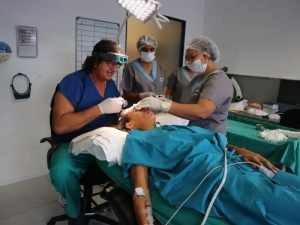
Doctor Larry Gershowitz’s journey into the realm of hair restoration began with a devoted passion for making a positive difference in people’s lives. With a background in medicine and a specialization in hair restoration, he discovered his calling in assisting individuals in overcoming the emotional toll of hair loss. Dr. Gershowitz recognizes that hair loss extends beyond mere aesthetics – it profoundly impacts self-confidence and identity. He is deeply committed to supporting his patients on their path to restoring both.
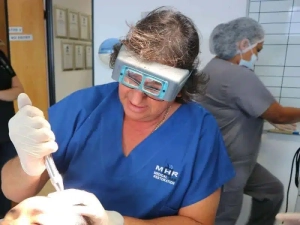
As the lead FUT specialist at Medical Hair Restoration, Dr. Gershowitz has enthusiastically embraced and perfected the latest advancements in hair restoration techniques. Follicular Unit Transplantation (FUT) is a surgical hair transplant procedure known for its effectiveness and natural-looking results. Dr. Gershowitz’s mastery of FUT guarantees that his patients receive the most advanced and comprehensive care available in the realm of hair restoration.
What truly distinguishes Doctor Larry Gershowitz is his steady commitment to providing personalized care. He understands that each patient is unique, with distinct needs and aspirations, and he tailors his approach accordingly. During consultations, he takes the time to listen attentively to his patients’ concerns and desires, presenting them with practical solutions. This patient-centred approach fosters an atmosphere of trust and comfort, which is vital for a successful hair restoration journey.
Dr. Gershowitz’s work goes beyond surgical procedures. He is on a mission to transform lives one strand at a time, endowing individuals with more than just a new head of hair. His work results in a renewed sense of self-confidence and self-assuredness. Patients who entrust their care to Dr. Gershowitz leave with not only a physical transformation but also a profound mental and emotional one.
Dr. Larry Gershowitz’s unwavering commitment to hair restoration in South Africa has firmly established him as a leading expert in the field. His dedication to innovation, personalized care, and changing lives is a testament to his passion and expertise. As the lead FUT specialist at Medical Hair Restoration in Cape Town, Dr. Gershowitz continues to inspire and empower those who are determined to conquer hair loss and regain their self-confidence.