Review
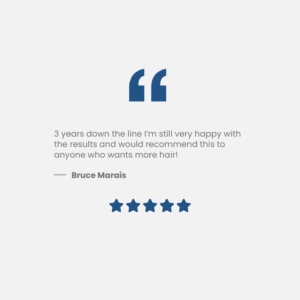
Thank you, Bruce! 🌟 Whether surgical or non-surgical, we’re dedicated to helping our patients regain confidence with expert care.

Thank you, Bruce! 🌟 Whether surgical or non-surgical, we’re dedicated to helping our patients regain confidence with expert care.
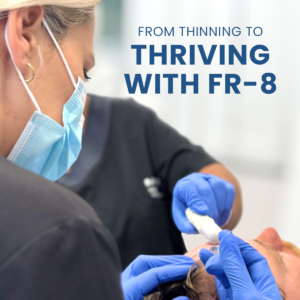
From thinning to thriving—naturally! 🌿✨ Follicular Regenerate FR-8 is a non-surgical treatment package that combines PRP therapy, microneedling, and PDO threading to restore hair health at the root. Using advanced growth factors and peptides, FR-8 stimulates dormant follicles while improving hair thickness and scalp vitality. Ideal for both men and women, this 1.5-hour treatment will help you regain confidence with zero disruption to your life. Bookings can be requested via our website.
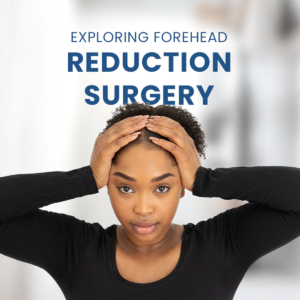
Considering forehead reduction surgery to achieve facial harmony? 👩⚕️At Medical Hair Restoration, our expert surgeons specialise in hairline-lowering procedures that can reduce a forehead by 2-3 centimetres. This 1.5-hour surgery offers immediate, permanent results with minimal discomfort. Most patients return to work within a week and can style their hair freely within a fortnight. Book a consultation via DM or visit our website for more.
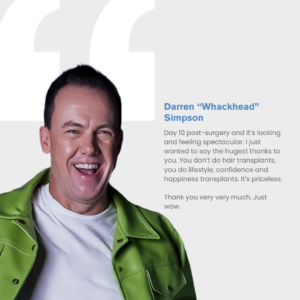
Thanks Darren! 🎙️✨If you’d like to book a consultation for Medical Hair Restoration, please send us a DM or visit our website for more
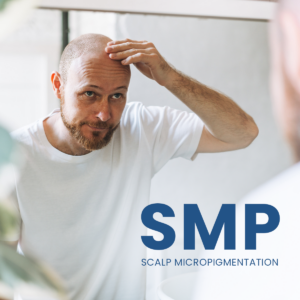
Introducing Scalp Micropigmentation (SMP) at Medical Hair Restoration—a highly innovative, non-surgical solution for hair loss ✨ SMP uses micro-needles to apply pigment to the scalp, creating the illusion of natural hair follicles. Ideal for both men and women, this technique offers a realistic, low-maintenance option to restore the appearance of hair density. Book a consultation for SMP via DM, or visit our website for more non-surgical treatment options

We’re feeling the love today 💙 If you’d like to explore the latest in hair restoration solutions, please send us a DM or visit our website for more
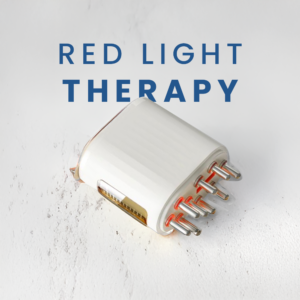
Experience the power of Red Light Therapy with our Redlight Massage Comb for Hair Loss. This innovative device uses safe, low-level red light to stimulate hair follicles, promote growth and improve blood circulation. Ideal for men and women struggling with thinning hair, you can now pick one up via our website.
Are you considering a hair transplant? It is a huge decision that can change not only your looks but also change your confidence. To make sure that you get good results, here are our top tips on hair transplantation that will guide you from preparation to the recovery process.
Tip for hair transplant surgery is choosing skilled surgeon
Select a Qualified and Experienced Surgeon
Success with hair transplantation is greatly dependent upon the experience and expertise of your surgeon. Do research on the qualifications, and reviews, and request before-and-after photos to give an idea about the work of the doctors. Doctor Ryan Jankelowitz, Chrisna Keyser and Larry Gershowitz, at Medical Hair Restoration in Cape Town, perform surgery daily.
Know Your Options: Different Techniques for Hair Transplant, FUE and FUT
There are different methods for hair transplantation, including Follicular Unit Extraction and Follicular Unit Transplantation. In FUE, individual hair follicles are extracted using a punch-like tool and then implanted in the balding area, while in FUT, a strip of hair-bearing scalp is removed and the hair follicles are then individually dissected and transplanted. The surgeon will discuss with you which method is best for your hair type, the degree of your hair loss, and the results you want to achieve.
Hydration is a top tip for hair transplant surgery
Pre-Surgery Preparations
Indeed, proper preparation makes a big difference. Follow your surgeon’s instructions before surgery. This could mean quitting smoking and alcohol, avoiding medications that may interfere with the blood-clotting mechanism, and keeping your scalp in the best shape. The intake of more fluids and a proper diet, especially protein, might have a positive effect on your body after surgery.
No strenuous exercise immediately after hair transplant is a top tip
Post-Transplant Care
The success of the hair transplant depends on post-operative care, and keen attention should be given to the aftercare instructions of your surgeon. This may include light washing of the scalp, avoiding direct sunlight, and also avoidance of strenuous activities for some time. Recommended shampoos and medications will help the growth of hair and the healing process.
Be Patient with Results
Hair growth after a transplant does not occur overnight. In fact, in the first weeks, it is very common for transplanted hair fallouts, followed by the regrowth phase. Often, remarkable improvements start to appear after six months, though complete results may take up to 12 to 18 months to fully reveal themselves. This stage is one of great patience, and follow-ups with the surgeon will help track this and bring up any concerns there might be.
Healthy Lifestyle
A healthy lifestyle can also contribute to the success of your hair transplantation. Regular exercise with a healthy diet and proper hydration helps the cause of ensuring all of your hair is in good health. Stress also tends to be hard to avoid, but the handling of it through techniques such as relaxation or hobbies can help have an overall positive impact on hair growth and well-being.
Consider Complementary Treatments
In many cases, there are also complementary therapies that may be utilized to further augment the results of your hair transplant. PRP therapy and medications such as Minox(idil) and Finas(teride) are but a few that your surgeon may discuss with you to let you know if they are right for you in order to help further improve the density and longevity of your transplanted hair.
Top tips for a hair transplant surgery summary
Success with hair transplantation is largely dependent on careful planning, the right surgeon to carry out the work, and following guidelines for pre-and post-operative care.
Please do not hesitate to get in touch with us if you have more questions or need further advice from our hair restoration experts.
In the quest for luscious locks and a healthy scalp, individuals often explore various products and treatments. One intriguing contender gaining attention in the realm of hair care is Tretin(oin). Originally known for its effectiveness in skincare, Tretin(oin) is now making waves for its potential benefits in promoting hair health.
Let’s delve into the science behind Tretin(oin), its historical use, and the emerging research suggesting its promising role in hair rejuvenation.
Understanding Tretin(oin):
A derivative of vitamin A, belongs to the family of retin(oids). It is most commonly recognized for its efficacy in treating acne and reducing the signs of aging by promoting skin cell turnover. The mechanism of action involves stimulating collagen production and increasing cell renewal, leading to smoother and healthier skin.
Historical Perspective:
While it’s has long been a staple in skincare, its potential for hair health has recently come under scrutiny. The compound has been used in various formulations, such as creams and gels, to address skin concerns. Researchers and clinicians began to notice incidental hair growth in areas treated with Tretin(oin) for other purposes, sparking interest in its potential role in hair restoration.
Tretin(oin) and Hair Follicles:
Hair growth occurs in cycles, with a growth phase (anagen), a transitional phase (catagen), and a resting phase (telogen). Tretin(oin)’s impact on hair follicles is thought to be multifaceted. It may prolong the anagen phase, encourage blood flow to the scalp, and stimulate the activity of hair follicle cells. By promoting a conducive environment for hair growth, it could potentially address issues like thinning hair and promote the growth of thicker, healthier strands.
Research Findings:
While research on Tretin(oin) for hair is still in its early stages, some studies have shown promising results. A study published in the Journal of the American Academy of Dermatology found that the application of Tretin(oin) 0.05% gel on the scalp led to increased hair density in individuals with androgenetic alopecia, a common cause of hair loss.
Another study, published in the Journal of Dermatological Science, explored the use of a Tretin(oin)-containing solution in promoting hair growth. The results indicated a significant increase in hair count, suggesting a potential role for Tretin(oin) in addressing hair loss concerns.
Application and Considerations:
For those intrigued by the potential benefits for hair, it’s essential to approach its use with caution. Tretin(oin) is a potent compound, and its application on the scalp may cause irritation. Consulting with a dermatologist or healthcare professional is crucial to determine the appropriate concentration and formulation for individual needs.
While it’s role in promoting hair health is an exciting avenue of exploration, it’s important to note that more research is needed to fully understand its effectiveness and safety. As with any new hair care approach, individuals should exercise prudence and seek professional guidance. The potential for Tretin(oin) to contribute to thicker, healthier hair is an exciting prospect, and as research advances, it may become a valuable addition to the arsenal of tools for maintaining a vibrant and healthy mane.
Medical Hair Restoration sells a potent mixture of tretin(oin) and Minox(idil) as a spray to be applied directly to the scalp.
Hair loss, a common concern for many men, can be a source of stress and self-esteem issues. The good news is that there are effective solutions available, and one of them is Finas(teride), a medication that has garnered attention for its ability to halt or even reverse hair loss in men. Let’s explore how Finas(teride) works, its benefits, and why it’s considered a game-changer in the fight against male pattern baldness.
Understanding Male Pattern Baldness:
Before diving into how Finas(teride) helps, it’s essential to understand what it’s up against. Male pattern baldness, also known as androgenetic alopecia, is the most common cause of hair loss in men. It’s primarily a genetic condition in which the hormone dihydrotestosterone (DHT) gradually shrinks hair follicles, leading to thinner and finer hair until, eventually, they stop producing hair altogether.
How Finas(teride) Works For Hair Loss:
Finas(teride) is a prescription medication designed to combat male pattern baldness. It operates by inhibiting the enzyme that converts testosterone into DHT. By reducing DHT levels in the scalp, Finas(teride) helps to slow or halt the miniaturization of hair follicles. This, in turn, can lead to the reversal of hair loss, an increase in hair density, and the promotion of thicker, healthier hair growth.
The Benefits of Finas(teride):
The advantages of this medication in the battle against hair loss are manifold. Here are a few key benefits:
Efficacy: Numerous clinical studies have demonstrated the effectiveness of Finas(teride) in preventing hair loss and promoting hair regrowth.
Convenience: It comes in a convenient pill form, making it easy to incorporate into your daily routine.
Non-Invasive: Unlike surgical hair restoration methods, this oral medication is a non-invasive solution that doesn’t require downtime or recovery.
Caution and Consultation:
While Finas(teride) offers significant benefits, it’s important to consult a healthcare professional before starting any medication. They can help determine if it is the right solution for you, discuss potential side effects, and address any concerns or questions.
For men concerned about hair loss, this medication presents a promising option to combat male pattern baldness and preserve their crowning glory. With its proven effectiveness and ease of use, it has become a vital tool in the arsenal against hair loss, offering renewed confidence and a chance to keep those locks for longer. Always remember that seeking professional advice is crucial to ensure that this medication is a suitable choice for your specific needs.