Tag Archive for: Hair Loss

World Health Day

Your health is your greatest asset — including the health of your hair. Wishing our patients an invigorated World Health Day!

Spotlight on Beard Hair Transplant

Do you struggle with patchy facial hair? At MedHair, our expert surgeons specialise in beard transplant surgery, a permanent solution to address sparse beards 🧔 Using advanced techniques, we transplant hair follicles to achieve natural-looking, fuller facial hair. And with over 10,000 successful hair transplants at MedHair to date, our team will ensure nothing but exceptional results. Book a consultation via DM, or visit our website for more.

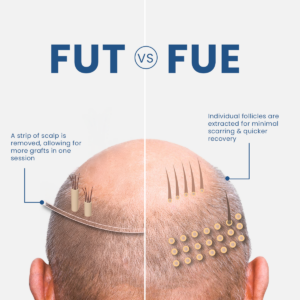
FUT vs FUE

Are you considering a hair transplant but unsure whether Follicular Unit Transplantation (FUT) or Follicular Unit Extraction (FUE) is right for you? At MedHair, our expert surgeons offer the two techniques or a combination of both to address hair loss most effectively. Leave your hair restoration journey to the best. Consultations can be booked via our website.

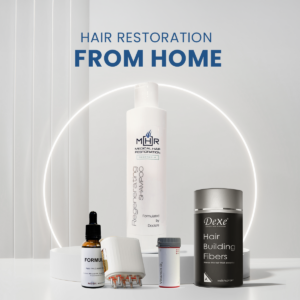
Hair Restoration medication

At MedHair, we offer a range of products to restore hair or improve aesthetics from home. Whether you’re exploring non-surgical options or want to maintain your surgical results, our online store has something for everyone👇🏾

🧴Regenerating Shampoo — a mild pH-balanced shampoo containing both caffeine and copper peptides to aid hair growth and scalp health.

༄ Hair Building Fibres — tiny fibres that can be sprinkled onto your scalp to create the illusion of hair follicles.

💊Vitamin D — to combat Vitamin D deficiency, long associated with alopecia.

💧MHR Spray — a powerful formula containing Minox(idil) for hair regeneration.

 Browse our full range of hair restoration products here.

FAQs: What causes hair loss?

It’s a common question, but there’s no single, simple answer. Hair loss can be influenced by a number of factors👇🏾

⭐ Hormonal changes – Ageing, medical conditions, and imbalances can impact hair growth.

⭐ Genetics – Your family history plays a major role in determining hair loss patterns.

⭐ Nutritional deficiencies – A lack of iron, biotin, zinc, vitamin D, and protein can weaken hair and slow growth.

Are you considering a hair restoration strategy? Let’s find the right solution for you. Book a consultation today.

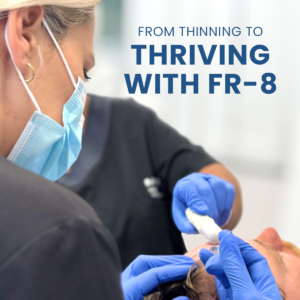
From thinning to thriving

From thinning to thriving—naturally! 🌿✨ Follicular Regenerate FR-8 is a non-surgical treatment package that combines PRP therapy, microneedling, and PDO threading to restore hair health at the root. Using advanced growth factors and peptides, FR-8 stimulates dormant follicles while improving hair thickness and scalp vitality. Ideal for both men and women, this 1.5-hour treatment will help you regain confidence with zero disruption to your life. Bookings can be requested via our website.

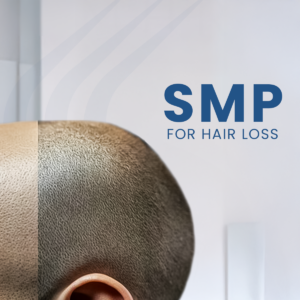
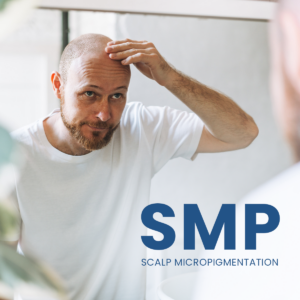
SMP (scalp micropigmentation)

Introducing Scalp Micropigmentation (SMP) at Medical Hair Restoration—a highly innovative, non-surgical solution for hair loss ✨ SMP uses micro-needles to apply pigment to the scalp, creating the illusion of natural hair follicles. Ideal for both men and women, this technique offers a realistic, low-maintenance option to restore the appearance of hair density. Book a consultation for SMP via DM, or visit our website for more non-surgical treatment options

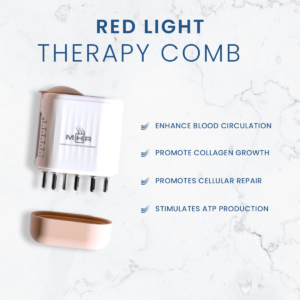
Red light therapy

Experience the power of Red Light Therapy with our Redlight Massage Comb for Hair Loss. This innovative device uses safe, low-level red light to stimulate hair follicles, promote growth and improve blood circulation.  Ideal for men and women struggling with thinning hair, you can now pick one up via our website.

Tretin(oin)

Unveiling the Potential: Tretin(oin) for Hair Loss

In the quest for luscious locks and a healthy scalp, individuals often explore various products and treatments. One intriguing contender gaining attention in the realm of hair care is Tretin(oin). Originally known for its effectiveness in skincare, Tretin(oin) is now making waves for its potential benefits in promoting hair health.
Let’s delve into the science behind Tretin(oin), its historical use, and the emerging research suggesting its promising role in hair rejuvenation.

Understanding Tretin(oin):
A derivative of vitamin A, belongs to the family of retin(oids). It is most commonly recognized for its efficacy in treating acne and reducing the signs of aging by promoting skin cell turnover. The mechanism of action involves stimulating collagen production and increasing cell renewal, leading to smoother and healthier skin.

Historical Perspective:
While it’s has long been a staple in skincare, its potential for hair health has recently come under scrutiny. The compound has been used in various formulations, such as creams and gels, to address skin concerns. Researchers and clinicians began to notice incidental hair growth in areas treated with Tretin(oin) for other purposes, sparking interest in its potential role in hair restoration.

Tretin(oin) and Hair Follicles:
Hair growth occurs in cycles, with a growth phase (anagen), a transitional phase (catagen), and a resting phase (telogen). Tretin(oin)’s impact on hair follicles is thought to be multifaceted. It may prolong the anagen phase, encourage blood flow to the scalp, and stimulate the activity of hair follicle cells. By promoting a conducive environment for hair growth, it could potentially address issues like thinning hair and promote the growth of thicker, healthier strands.

Research Findings:
While research on Tretin(oin) for hair is still in its early stages, some studies have shown promising results. A study published in the Journal of the American Academy of Dermatology found that the application of Tretin(oin) 0.05% gel on the scalp led to increased hair density in individuals with androgenetic alopecia, a common cause of hair loss.

Another study, published in the Journal of Dermatological Science, explored the use of a Tretin(oin)-containing solution in promoting hair growth. The results indicated a significant increase in hair count, suggesting a potential role for Tretin(oin) in addressing hair loss concerns.

Application and Considerations:
For those intrigued by the potential benefits for hair, it’s essential to approach its use with caution. Tretin(oin) is a potent compound, and its application on the scalp may cause irritation. Consulting with a dermatologist or healthcare professional is crucial to determine the appropriate concentration and formulation for individual needs.

While it’s role in promoting hair health is an exciting avenue of exploration, it’s important to note that more research is needed to fully understand its effectiveness and safety. As with any new hair care approach, individuals should exercise prudence and seek professional guidance. The potential for Tretin(oin) to contribute to thicker, healthier hair is an exciting prospect, and as research advances, it may become a valuable addition to the arsenal of tools for maintaining a vibrant and healthy mane.

Medical Hair Restoration sells a potent mixture of tretin(oin) and Minox(idil) as a spray to be applied directly to the scalp.

Androgenic Hair Loss

Androgenetic Hair Loss: The Most Common Form of Baldness

Androgenetic hair loss is a common concern that affects millions of people worldwide. While various factors can contribute to hair loss, one of the most prevalent causes is androgenetic alopecia, also known as male or female pattern baldness. Let’s shed light on androgenetic hair loss, its causes, progression, and available treatment options.

What is Androgenetic Hair Loss?
Androgenetic hair loss is a hereditary form of hair loss that affects both men and women. It is primarily influenced by the interaction of hormones and genetic predisposition. The condition typically manifests as a gradual thinning of the hair, leading to the miniaturisation of hair follicles and eventually resulting in the loss of hair.

Causes

  1. Genetic Predisposition: Androgenetic hair loss is strongly influenced by genetics. Specific genes inherited from either parent can make an individual more susceptible to hair loss. The inheritance pattern may vary, but the condition is commonly passed down through family lines.
  2. Hormonal Factors: Hormones play a crucial role in androgenetic hair loss. The primary hormone involved is dihydrotestosterone (DHT), a byproduct of testosterone. DHT binds to hair follicles, causing them to shrink and produce thinner, shorter hairs. Over time, affected hair follicles may stop producing new hairs altogether.

Progression of Androgenetic Hair Loss
Androgenetic hair loss follows a distinct pattern in both men and women.

  1. Male Pattern Baldness: In men, the typical progression of androgenetic hair loss begins with a receding hairline, forming an “M” shape. The hairline continues to recede, and the hair on the crown of the head becomes thinner, eventually leading to partial or complete baldness on the top of the head.
  2. Female Pattern Hair Loss: Women with androgenetic hair loss usually experience diffuse thinning of hair across the entire scalp. The hairline remains intact, but the hair becomes noticeably thinner, making the scalp more visible. Thinning and balding can also be localized affecting the centre hair part only.

Treatment Options
While there is no cure for androgenetic hair loss, several treatment options can help slow down its progression and improve the appearance of the hair. Here are some common approaches:

  1. Medications: FDA-approved medications such as minox(idil) and fina(s)teride are commonly used to treat androgenetic hair loss. Minoxidil promotes hair growth and fina(s)teride blocks the conversion of testosterone to DHT, reducing its effects on hair follicles.
  2. Hair Transplantation: Hair transplantation is a surgical procedure that involves transplanting healthy hair follicles from one area of the scalp to the areas affected by hair loss. This method provides a long-lasting solution, but it requires careful consideration and consultation with a skilled hair transplant surgeon.
    Camouflaging Techniques: Some individuals may opt for cosmetic solutions to conceal the appearance of hair loss. These include hairpieces, wigs, and hair fibers that provide temporary coverage.

Androgenetic hair loss is a common condition that affects both men and women. It is influenced by genetic and hormonal factors, leading to the progressive thinning and loss of hair. While a complete cure for androgenetic hair loss remains elusive, various treatment options are available to slow down its progression and improve the appearance of the hair. Seeking professional advice from a hair restoration specialist is essential to determine the most suitable treatment approach for each individual. Remember, understanding the causes and available options for managing androgenetic hair loss can help individuals make informed decisions and regain confidence in their appearance.