Tag Archive for: Hair Loss

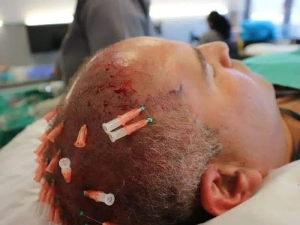
FUE explained in 6 steps

Learn about the 6 steps of FUE.

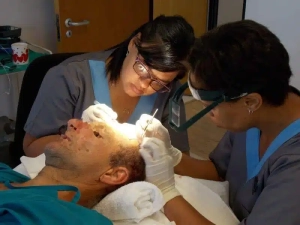
Follicular Unit Extraction (FUE) is a surgical hair transplantation technique used to address hair loss or baldness. It is a minimally invasive procedure that involves extracting individual hair follicles from a donor area and transplanting them into the recipient area where hair is thinning or missing.

Here’s a step-by-step explanation of the FUE hair transplant surgery:

  1. Donor Area Identification: The first step is identifying the donor area, which is typically the back or sides of the scalp. These areas are chosen because they usually have a good supply of healthy hair follicles that are resistant to balding.
  2. Local Anesthesia: Local anesthesia is administered to numb both the donor and recipient areas of the scalp. This ensures that the patient remains comfortable throughout the procedure.
  3. Follicle Extraction: Using a small, specialised instrument like a microneedle or a punch tool, the surgeon individually extracts hair follicles from the donor area. Each follicle contains one to four hairs, and they are carefully removed without causing significant damage to the surrounding tissue.
  4. Incision Creation: Once enough follicles have been extracted, tiny incisions are made in the recipient area where the hair will be transplanted. These incisions are made with precision to ensure proper angulation and natural-looking results.
  5. Implantation: The extracted hair follicles are then carefully implanted into the recipient area. The surgeon pays close attention to the direction, angle, and density of the transplanted hairs to ensure they blend seamlessly with the existing hair and achieve a natural appearance.

6. Post-Transplant Care: After the procedure, the patient is provided with instructions on how to care for the transplanted area. This may include guidelines on washing the scalp, avoiding excessive sun exposure, and taking prescribed medications to aid the healing process.

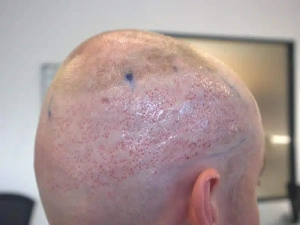
One of the significant advantages of FUE hair transplant surgery is that it does not leave a linear scar, unlike the traditional strip method (FUT). Instead, FUE leaves small, scattered, dot-like scars that are less noticeable, especially when the hair grows back. The recovery period is relatively short, with most patients able to resume their normal activities within 10 – 14 days.

It’s worth noting that the success of a hair transplant depends on various factors, including the surgeon’s skill, the patient’s overall health, the quality of the donor hair, and realistic expectations. Therefore, it’s crucial to consult with a qualified and experienced hair transplant specialist to determine if FUE or any other treatment option is suitable for your specific case.

Metformin for Fibrosis

Metformin is a commonly used medication for the management of type 2 diabetes, but its potential benefits go beyond controlling blood sugar levels. Recent studies have shown that metformin may also have a positive impact on hair growth in individuals with fibrosis-related hair loss.

Fibrosis is a medical condition characterized by the accumulation of excess connective tissue in an organ or tissue. In the scalp, fibrosis can lead to hair loss by reducing blood flow to the hair follicles and preventing the absorption of nutrients needed for healthy hair growth.

Metformin for Fibrosis

Metformin works by activating an enzyme called AMP-activated protein kinase (AMPK), which regulates cellular energy metabolism. AMPK activation has been shown to improve blood flow and reduce inflammation, which may help counteract the effects of fibrosis on hair follicles.
To use metformin for hair growth due to fibrosis, it’s important to work with a healthcare professional to determine the appropriate dosage and monitor any potential side effects. In general, the recommended starting dose for metformin is 500mg once or twice a day, with the dose gradually increasing as needed.
It’s also important to note that while metformin may be beneficial for hair growth in individuals with fibrosis, it’s not a guaranteed solution. Other factors, such as genetics and hormonal imbalances, can also contribute to hair loss.

In addition to metformin, other lifestyle changes may also help promote healthy hair growth. Eating a balanced diet rich in nutrients, staying hydrated, managing stress levels, and avoiding harsh hair treatments can all contribute to healthier hair.

While metformin may hold promise as a treatment for hair loss related to fibrosis, it’s important to work with a healthcare professional to determine the appropriate dosage and monitor for any potential side effects. Additionally, other lifestyle factors can also play a role in promoting healthy hair growth.

Confidence with Med Hair

Medical Hair Restoration in South Africa: Rediscover Your Confidence at Med Hair

Losing hair can be a distressing experience, affecting one’s self-esteem and overall well-being. Fortunately, advancements in medical technology have made hair restoration procedures more accessible and effective than ever before. If you’re in South Africa and seeking a reliable solution to your hair loss concerns, look no further than Med Hair. Let’s explore the most popular hair restoration procedures offered by Med Hair, located in Cape Town, Johannesburg, and Durban and how they can help you regain your natural hair and confidence.

Understanding Hair Loss:
Before delving into the various procedures, it’s essential to understand the causes of hair loss. Hair loss can be attributed to a multitude of factors, including genetics, hormonal changes, lifestyle choices, and medical conditions. Med Hair’s team of experienced professionals will assess your specific condition to determine the most suitable treatment plan tailored to your needs.

Follicular Unit Extraction (FUE):
Follicular Unit Extraction is a minimally invasive hair restoration technique that involves extracting individual hair follicles from the donor area at the back and sides of the head and implanting them into the thinning or balding areas. Med Hair employs state-of-the-art technology and skilled surgeons to perform FUE procedures with utmost precision and care, ensuring natural-looking and long-lasting results.

Follicular Unit Transplantation (FUT):
Follicular Unit Transplantation, also known as strip harvesting, is another technique offered by Med Hair. In this procedure, a strip of scalp containing healthy hair follicles is extracted from the donor area and then dissected into individual grafts for transplantation. FUT is particularly suitable for patients with extensive hair loss, long-haired individuals or those who prefer a more cost-effective option.

Rich Plasma (PRP) Therapy:
PRP therapy has gained popularity as a non-surgical hair restoration treatment. This procedure involves drawing the patient’s blood, processing it to concentrate platelets, and injecting the rich plasma into the scalp. PRP therapy stimulates hair growth, strengthens existing hair, and improves overall hair quality. Med Hair’s skilled team utilizes the latest PRP techniques to enhance hair restoration results.

Consultation and Personalized Treatment Plans:

At Med Hair, the journey to regaining your confidence begins with a thorough consultation. Their experienced team will assess your hair loss condition, discuss your desired outcomes, and tailor a personalized treatment plan. They prioritize open communication, ensuring you are well informed about the procedures, potential outcomes, and any post-treatment care required.

Med Hair, a leading medical hair restoration clinic in South Africa, offers a comprehensive range of procedures to help individuals reclaim their natural hair and restore their self-confidence. From advanced techniques like FUE and FUT to non-surgical options like PRP therapy, Med Hair provides customized solutions to suit each patient’s unique needs. With their experienced team, cutting-edge technology, and commitment to patient satisfaction, Med Hair is a trusted choice for anyone seeking effective hair restoration in South Africa. Email info@medhair.co.za to embark on your hair restoration journey and rediscover the joy of having a full head of hair.

Central centrifugal cicatricial alopecia

Central centrifugal cicatricial alopecia (CCCA) is a type of hair loss that occurs in people with tightly coiled or textured hair. It is also known as hot comb alopecia, follicular degeneration syndrome, or central centrifugal scarring alopecia. This condition is more common in women of African descent but can affect people of all races and genders. CCCA is a progressive and permanent hair loss condition that can cause significant psychological distress.

Causes and Risk Factors

The exact cause of CCCA is unknown, but it is believed to be multifactorial. Genetics, hairstyling practices, and scalp inflammation are all thought to contribute to the development of CCCA. People with a family history of hair loss, autoimmune disorders, or inflammatory scalp conditions may be at increased risk of developing CCCA. Hairstyling practices that involve pulling the hair tightly, such as braids, weaves, and cornrows, can cause physical trauma to the hair follicles and lead to CCCA.

Symptoms

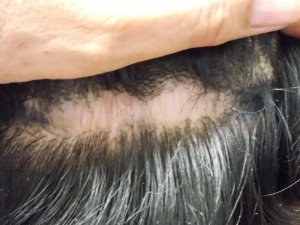
CCCA typically starts at the crown of the head and spreads in a centrifugal (or outward) pattern. The affected areas may appear shiny and smooth, with little to no hair growth. Hair loss may also occur along the hairline, in the nape of the neck, or in other areas of the scalp. People with CCCA may experience itching, burning, or tenderness in the affected areas. These symptoms can be exacerbated by certain hairstyles or scalp products.

Diagnosis

Diagnosing CCCA can be challenging because the symptoms can be similar to those of other types of hair loss. A dermatologist or hair specialist will typically perform a physical exam of the scalp and hair and may take a scalp biopsy to confirm the diagnosis. A scalp biopsy involves removing a small sample of scalp tissue and examining it under a microscope. The biopsy can help to rule out other causes of hair loss and confirm the presence of scarring and inflammation in the hair follicles.

Treatment

Unfortunately, there is no cure for CCCA, and the hair loss is typically permanent. However, there are several treatment options that can help to slow or stop the progression of the condition and improve the appearance of the scalp.

  1. Medications: Topical or oral medications may be prescribed to reduce inflammation and promote hair growth. Corticosteroids, immunosuppressants, and minox(idil) are commonly used for CCCA treatment.
  2. Lifestyle modifications: People with CCCA should avoid hairstyles that pull the hair tightly and use gentle hair care products. Avoiding heat styling tools and protecting the hair from the sun can also help to reduce damage to the hair.
  3. Hair transplantation: Hair transplantation is a surgical procedure that involves taking hair follicles from one part of the scalp and transplanting them to the affected areas. This procedure can be effective in restoring hair growth but is typically only recommended for people with stable disease who are not experiencing active inflammation.
  4. Wigs or hairpieces: Wigs or hairpieces can be used to cover areas of hair loss and improve the appearance of the scalp. A skilled hair stylist can create a natural-looking wig or hairpiece that matches the person’s hair color and texture.

Hair loss can be a distressing experience, and it is not uncommon for people to experience depression or anxiety as a result. It is important to seek help if you are struggling with depression or anxiety caused by hair loss. Talk to your doctor or a mental health professional about your symptoms and feelings. It may also be helpful to reach out to a support group or connect with others who have experienced hair loss. Remember that you are not alone, and there is help available.